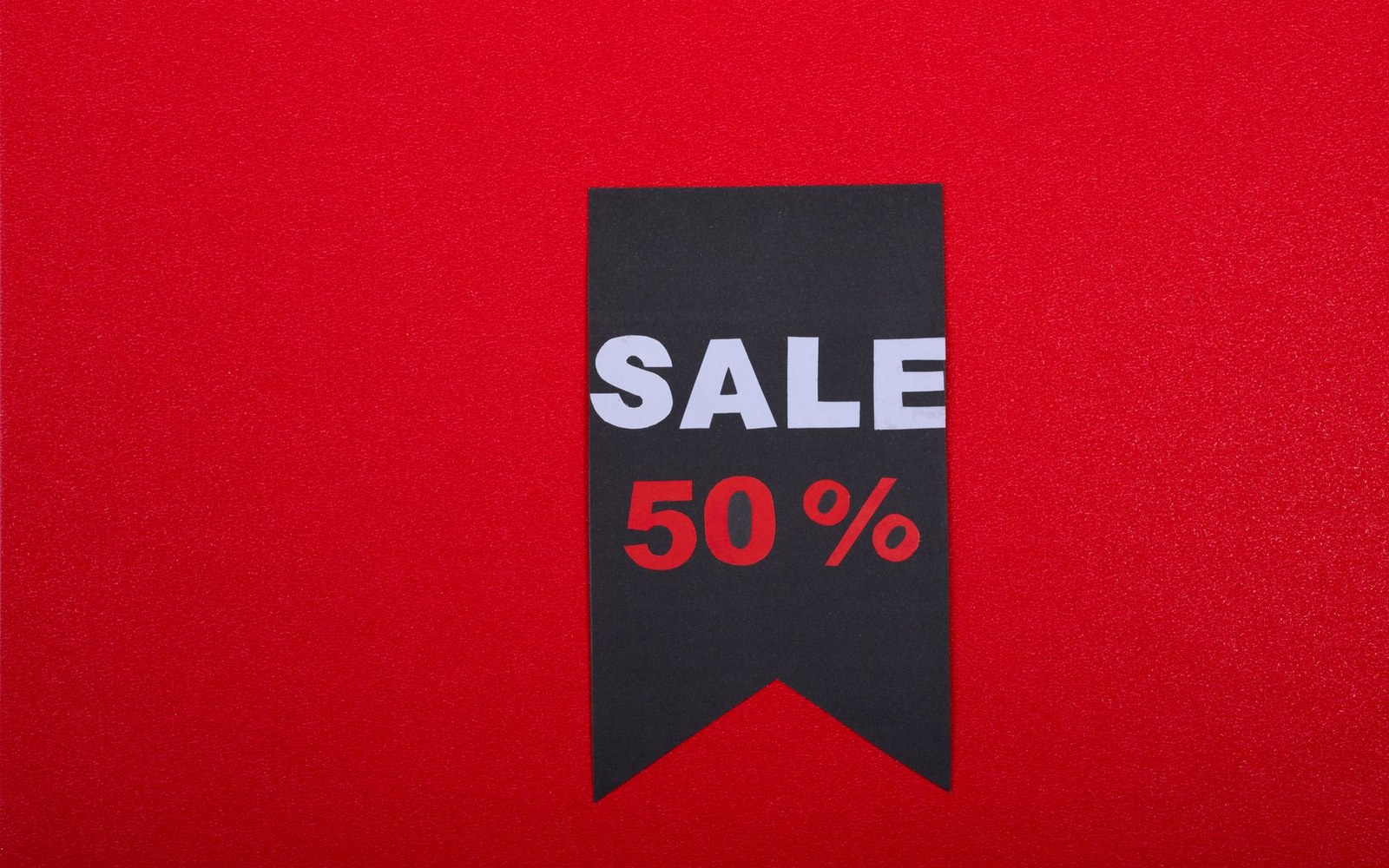
Every discount is a gap between two numbers. The first number — the one you are supposed to measure against — is chosen with care.
01Where the Reference Point Comes From
A price is not read in isolation. Shoppers do not judge £4.99 on any absolute scale; they judge it against the nearest number that seems to belong to the same object. Behavioural economists call that reference point an anchor — a figure, often the first one seen, that all subsequent judgments cling to. The mechanism was described formally by Amos Tversky and Daniel Kahneman in their 1974 work on cognitive heuristics, where they showed that even arbitrary numbers, seen briefly before a question was asked, dragged estimates toward themselves. Retail did not invent anchoring; it industrialised it.
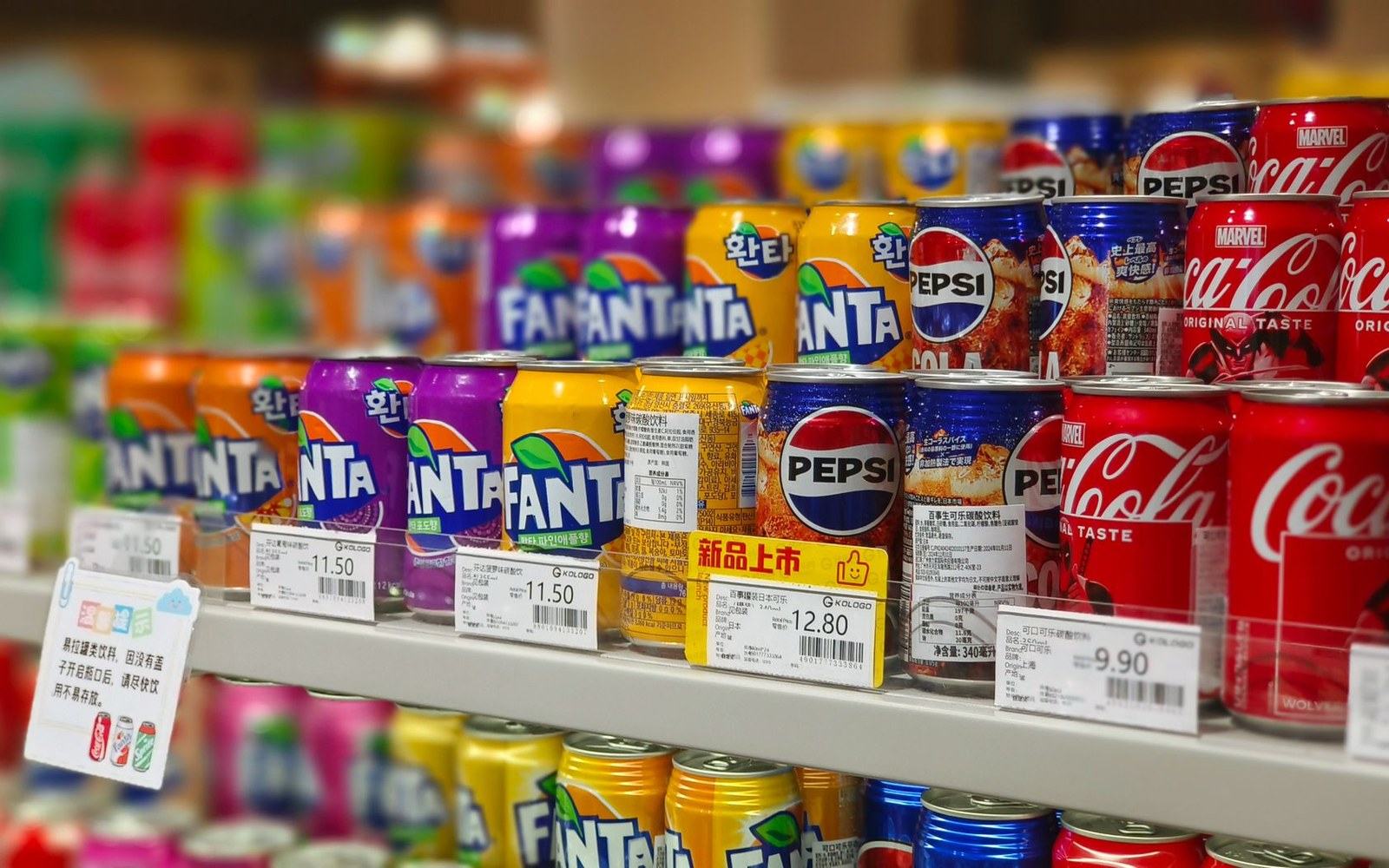
A discount needs a figure to be measured against, and that figure is chosen.
Fig. 2 · Photo: 乾 黄 / Pexels
The most familiar version is the was/now label: a crossed-out number above the current price. The crossed-out figure is the anchor, and its job is entirely architectural — it exists to make the lower number feel like a relief. Whether the original price was ever charged for any meaningful period, or charged at all in the location where the markdown label now appears, is a question the label does not answer. Several consumer protection investigations across the UK and Europe have looked at exactly this gap — the short qualifying period at a high price followed by a long period of discounted sale — because the anchor is only honest if the reference was real.
02The Anchor They Set, and the Anchor You Bring
Retailers can also deploy anchoring through ranging rather than labelling. Place three versions of a product on a shelf — a modest option, a mid-range option, and a noticeably expensive option — and the expensive one functions as an anchor even if almost nobody buys it. It recalibrates what the mid-range price feels like. The mid-range product was always the margin target; the premium product is the device that makes it feel reasonable. This is sometimes called the compromise effect, or extremeness aversion: given a range, most people migrate toward the middle, and the retailer sets the edges of the range deliberately.

Priced in a run, the ceiling of a category reads lower than its highest number.
Fig. 3 · Photo: Helena Lopes / Pexels
A similar logic governs bundle and multipack presentation. The per-unit price of a large pack is anchored against the per-unit price of a small pack, which is usually printed close by in a contrasting colour. The large pack nearly always wins that comparison — which is why the comparison is shown. The anchor is doing its work even when it is expressed as a unit rate rather than a headline number.
Behavioural economists call that reference point an anchor — a figure, often the first one seen, that all subsequent judgments cling to.
Anchoring is not only a retailer's tool. Shoppers arrive with their own reference prices — mental figures built from previous visits, advertising, and comparison shopping — and those internal anchors can cut in either direction. A price that lands below a shopper's internal reference feels like a find; one that lands above it triggers friction. This is why sustained advertising of a price — not just a promotion but a repeated claim — builds an anchor in memory before the shelf is ever reached. The anchor is planted, and then the retailer charges just beneath it.
03The Number That Gets Remembered
Online environments extend the mechanism with little friction. A product page can display a recommended retail price — a number that may come from the manufacturer's own suggested pricing rather than any prevailing market — alongside the current selling price, and the gap is immediately legible as savings. The recommended retail price functions as an anchor even when nobody in the actual market charges it. Some platforms show a price history graph, which can itself function as an anchor: a previous peak, however briefly touched, sits above the current price and makes it look like a trough.
The charm-pricing convention of the nine works partly through anchoring too: £9.99 is anchored not just below £10 but below the round number that the brain registers first. The nine is in some sense an anchor exploit on the shopper's own left-digit reading tendency — the leading digit is processed fastest, and that processing creates an internal anchor before the rest of the number is taken in.
What all these uses share is the same underlying structure: before you can assess whether a price is good, you need a number to be good compared to. That number is rarely neutral, and it was rarely chosen by accident.
This page describes a retail technique and where it came from. It contains no guidance about money, no products and no offers.
Next · 03 Number
Eye level is the expensive shelf →