
01Buy more, pay what you would have anyway
Three for the price of two. Four for a pound. Buy two, get the third half-price. The framing is the language of generosity, and the mechanism behind it is something closer to the opposite.
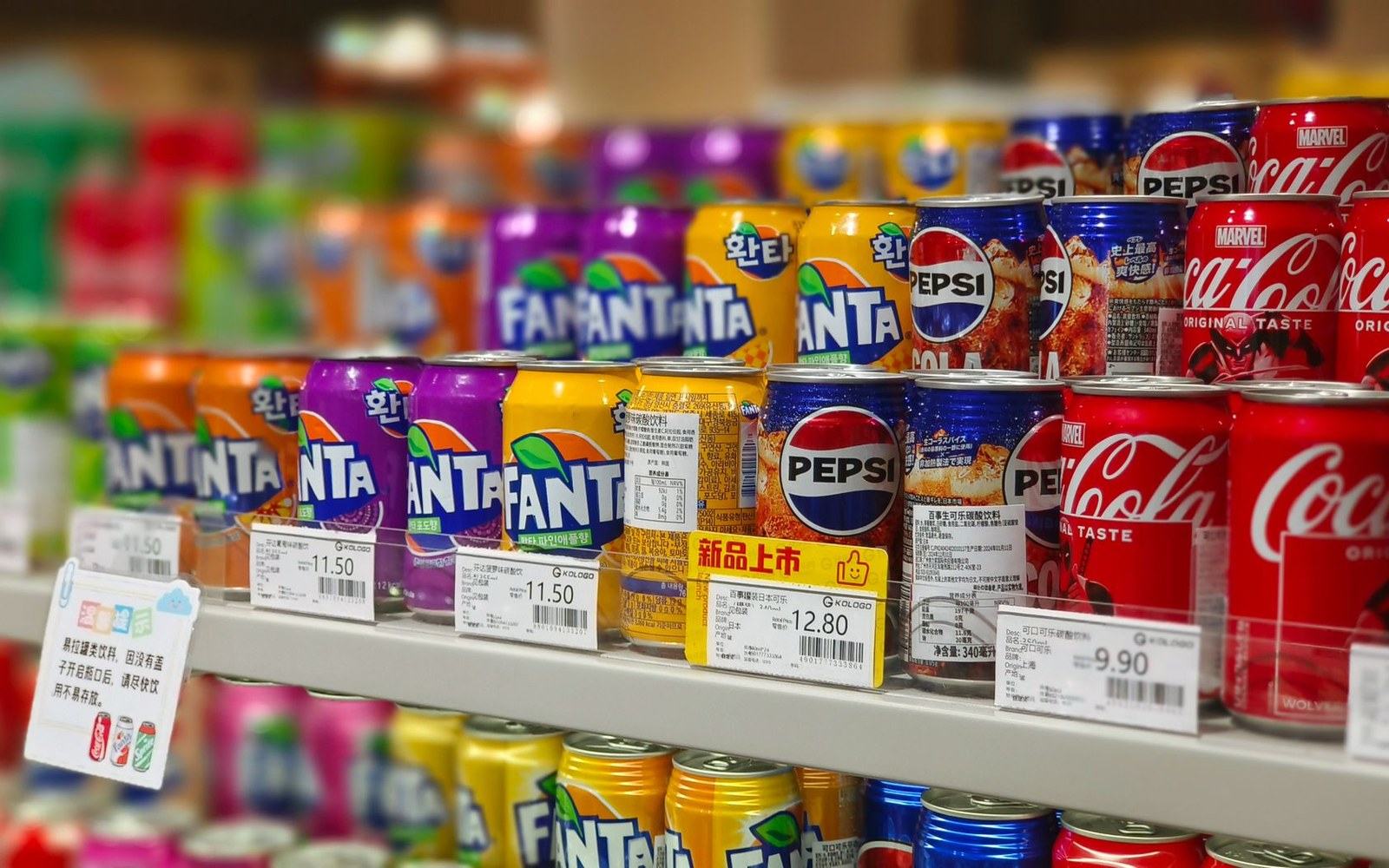
Volume framed as value, with the comparable figure set in the smallest type on the ticket.
Fig. 2 · Photo: 乾 黄 / Pexels
A multibuy offer presents volume as the reward. The implication is that the single unit represents a kind of inefficiency — a failure to take advantage — and that the correct, rational response is to take the deal. What the shelf label rarely makes easy to check is whether the unit price inside the multibuy is any different from what you would pay buying the same item singly. Very often, it is not. The deal price and the individual price are mathematically identical; the offer exists to increase the quantity purchased, not to reduce the cost per unit.
This is anchoring applied to volume rather than price. The reference point is not a higher number crossed out in red — it is the image of one lonely item bought at a disadvantage. The multibuy makes the single purchase look wrong.

The arithmetic is printed on the label and is rarely done standing up.
Fig. 3 · Photo: Gustavo Fring / Pexels
Where a genuine discount does exist, it tends to be small relative to the additional spend required to unlock it. A modest reduction in unit price is exchanged for a commitment to buy more units than the shopper originally wanted, potentially of a product that will be thrown away before it is used. The household benefit of that transaction is not always obvious.
The reference point is not a higher number crossed out in red — it is the image of one lonely item bought at a disadvantage.
The category that sustains this most reliably is perishables and personal-care products, precisely because those are categories where a shopper already expects to repurchase, and where "stocking up" sounds sensible. The persuasive work the multibuy does is to move the repurchase decision from the future into the present trolley — and to frame that acceleration as prudence.
Unit pricing legislation in several countries requires shelf labels to display a comparable price per litre, kilogram or other standard measure. Where that figure is present and consistent, the arithmetic is available. The multibuy price per unit and the single price per unit sit side by side, and the gap — when there is one — is often narrower than the promotion implies.
This page describes a retail technique and where it came from. It contains no guidance about money, no products and no offers.
Next · 04 Interruption
The end-cap →