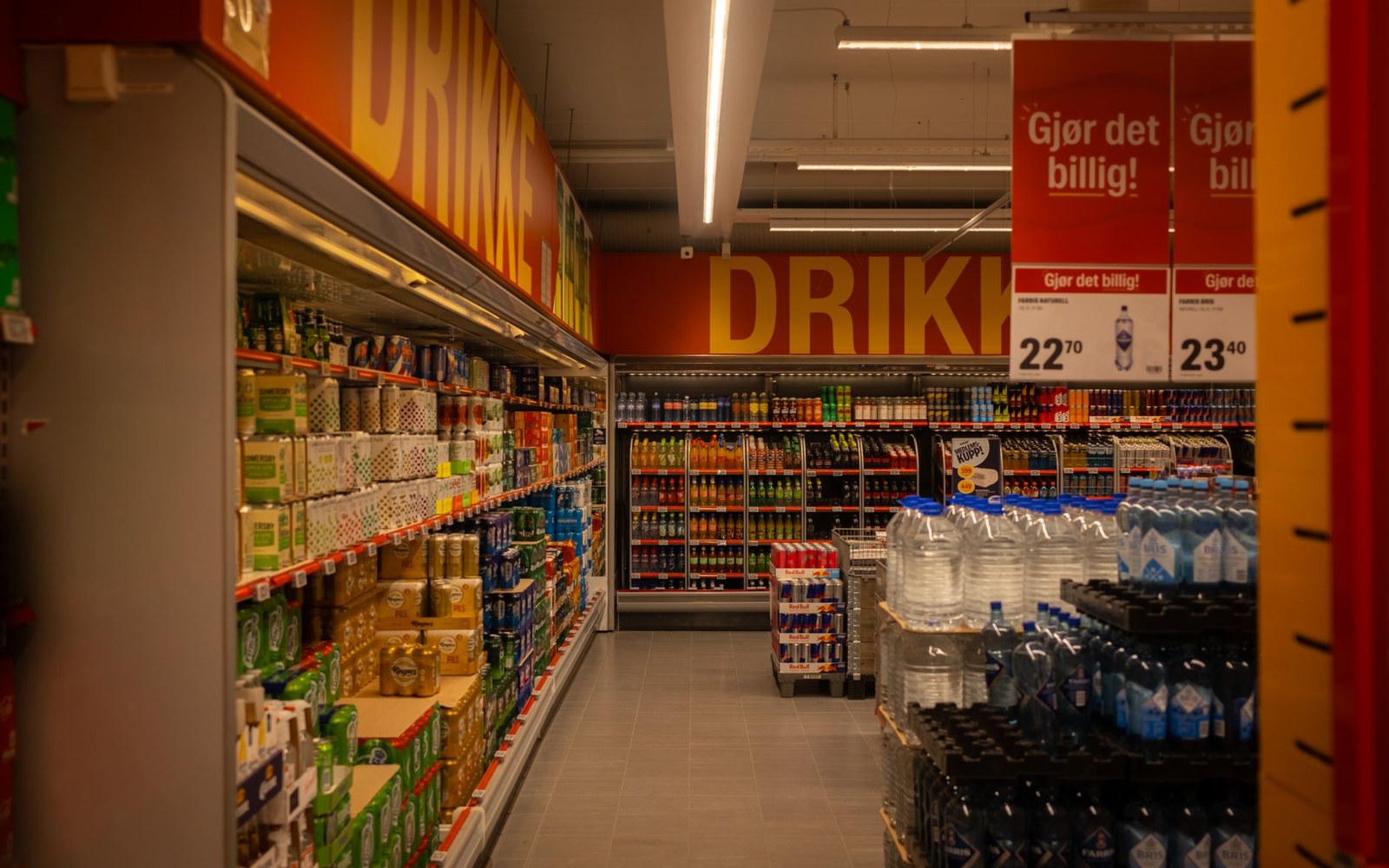
The fixture at the end of every gondola is not a display case. It is an interruption — priced accordingly.
01What the end-cap is for
A gondola is retail jargon for the free-standing shelving unit that forms a supermarket aisle. Its flanks carry the steady, predictable range: competing cereal brands, cooking sauces ranked by margin, household staples arranged by planogram. Shoppers in a gondola aisle are in a known environment, moving purposefully, looking at a specific section of shelf. The end-cap, the short face that caps the unit and juts into the cross-aisle, breaks all of that.
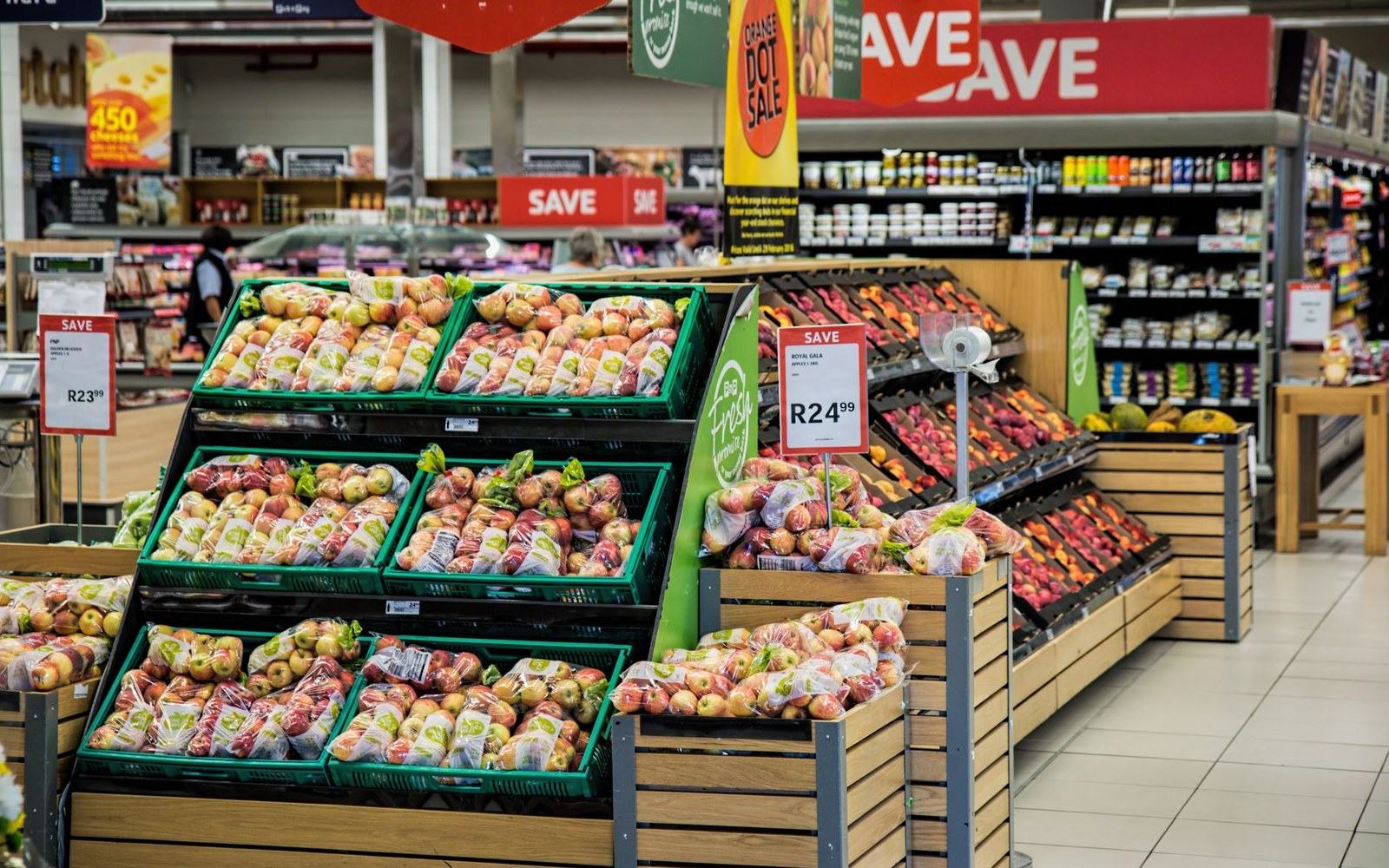
An end-cap interrupts a route rather than sitting along one, which is what makes it valuable.
Fig. 2 · Photo: Pixabay / Pexels
It sits perpendicular to the route. It appears in the shopper's peripheral vision before they consciously register it. It does not require anyone to enter an aisle or choose a category — the product is simply there, directly in the path of travel. That difference in geometry translates directly into a difference in commercial value. End-caps are among the most expensive fixtures in a store to occupy, and the fee a supplier pays to place a product there — part of what the industry calls "trade spend" or "slotting income" — reflects the uplift in volume that consistently follows.
02Why interruption outperforms position
The psychology here is well-documented in consumer research. Shoppers make a large proportion of in-store purchase decisions while already in motion, and a display that intercepts their path can trigger a decision the aisle alone would not. The end-cap does not rely on a shopper having a pre-formed intention; it manufactures one. Shelf placement, even at eye level, still depends on a shopper entering the aisle and scanning across a category. The end-cap bypasses that entirely.
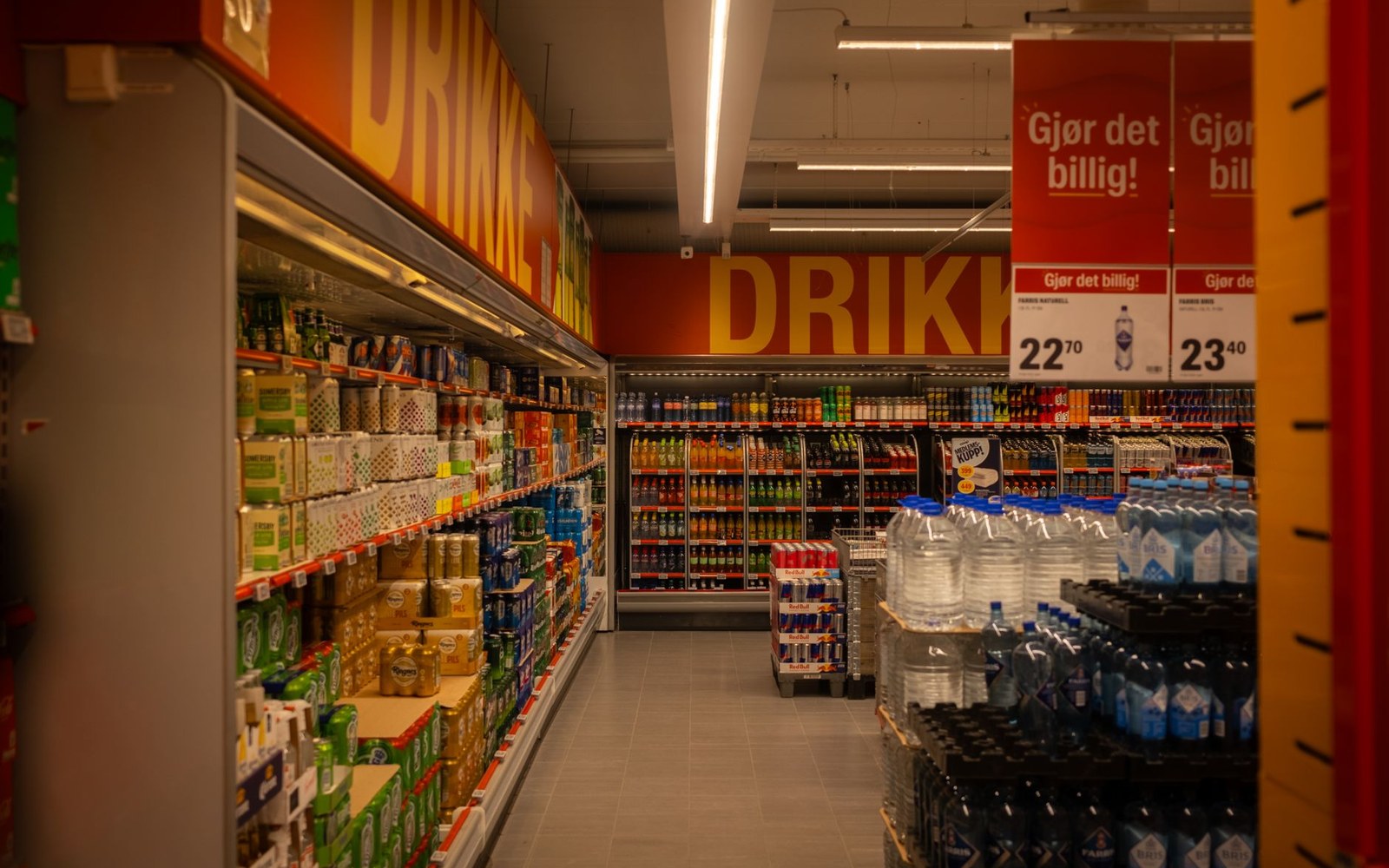
The display carries no obligation to be cheaper than the aisle it interrupts.
Fig. 3 · Photo: Fabnel LDN / Pexels
The display is typically paired with one or more signals that compound the interruption: a price flash, a volume deal, a "special buy" starburst graphic. None of these necessarily represents a saving relative to the ongoing shelf price — volume framed as value is a related and common technique — but together they create an atmosphere of event. The product is not simply available; it is featured. That framing alone shifts the likelihood of purchase.
Its flanks carry the steady, predictable range: competing cereal brands, cooking sauces ranked by margin, household staples arranged by planogram.
End-cap positioning also benefits from what environmental psychologists call "novelty detection": the brain is wired to attend to objects that appear out of their expected place. A product displayed perpendicular to its category shelf, often in a colour-blocked tower or a branded shipper unit, registers as different before the shopper reads a single word. The attention is captured first; the rationalisation follows.
03Who decides what goes there
The end-cap allocation decision sits with the retailer's category management team, but the funding generally comes from the supplier. Large manufacturers budget explicitly for end-cap placements as part of their annual trade investment negotiations, and the terms — which weeks, which stores, which category ends — are agreed months in advance. In practice, this means the most valuable end-caps in a high-footfall store are rarely filled with unknown brands. The cost of entry keeps them occupied by products whose manufacturers have both the budget and the forecast volume to justify the fee.
Seasonal and promotional cycles govern the rotation. A confectionery manufacturer might secure end-caps ahead of a gift-giving season; a soft drinks brand might take them through summer. Outside those peaks, the space reverts to standard promotional negotiation. The retailer's own label, meanwhile, can occupy end-caps without a slotting fee — another structural advantage of having a house brand, and one reason own-label products regularly appear in the highest-interruption positions.
What the shopper experiences as an attractively stacked display of something that caught their eye is, from the supply side, the visible result of a months-long commercial negotiation. The stack did not appear because the product is popular, though popularity can follow. It appeared because someone paid, specifically, for that corner, that week, in that store. The interruption was purchased before the shopper arrived.
This page describes a retail technique and where it came from. It contains no guidance about money, no products and no offers.
Next · 04 Interruption
Dump bins and disorder →