01The mess is the message
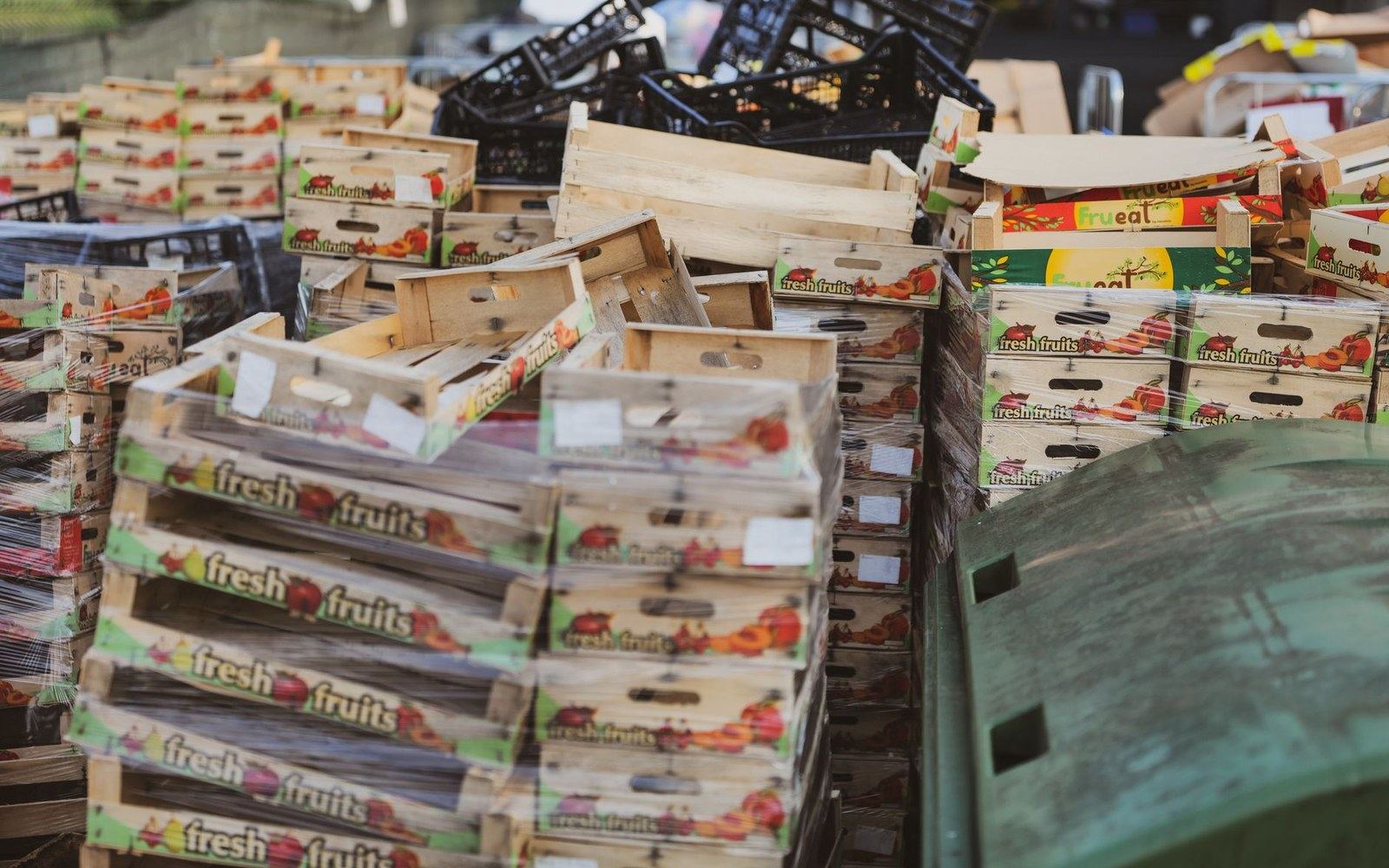
A dump bin — that open-topped container, usually cylindrical or square, placed mid-aisle or near a checkout — is one of retail's oldest interruption tools. The name is not flattering, and it is not meant to be. The whole point is that the bin looks as though its contents have been tipped in without care: slightly rumpled packaging, items at odd angles, a few things on the floor beside it. That appearance of disorder is not accidental. It is engineered.
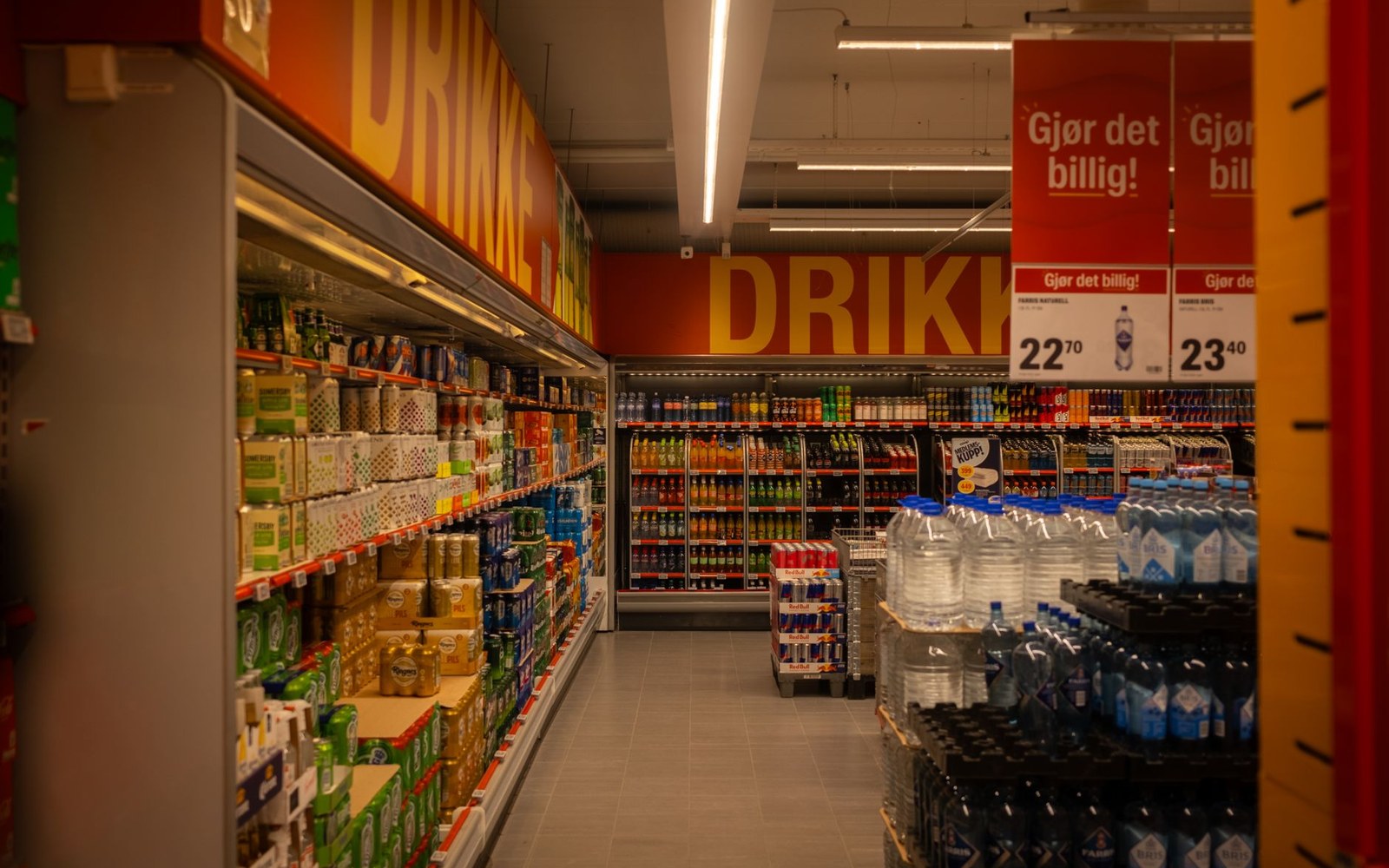
Deliberate untidiness reads as a bargain; a neat stack reads as full price.
Fig. 2 · Photo: Fabnel LDN / Pexels
The mechanism is straightforward. Neat shelving reads as full price. Disorder reads as clearance. Shoppers absorb the visual signal before they read the label, and the label often confirms it — a yellow sticker, a round number, a marker-pen scrawl. But the discount does not have to be real or substantial for the bin to work. Retailers have long understood that the format carries meaning independent of the price. An item relocated from a tidy shelf into a dump bin acquires a bargain implication simply by being there.
This is a cousin of anchoring: the ordinary shelf becomes the implicit reference price, and the bin marks distance from it. The signal is spatial rather than numerical, which makes it harder to consciously question.
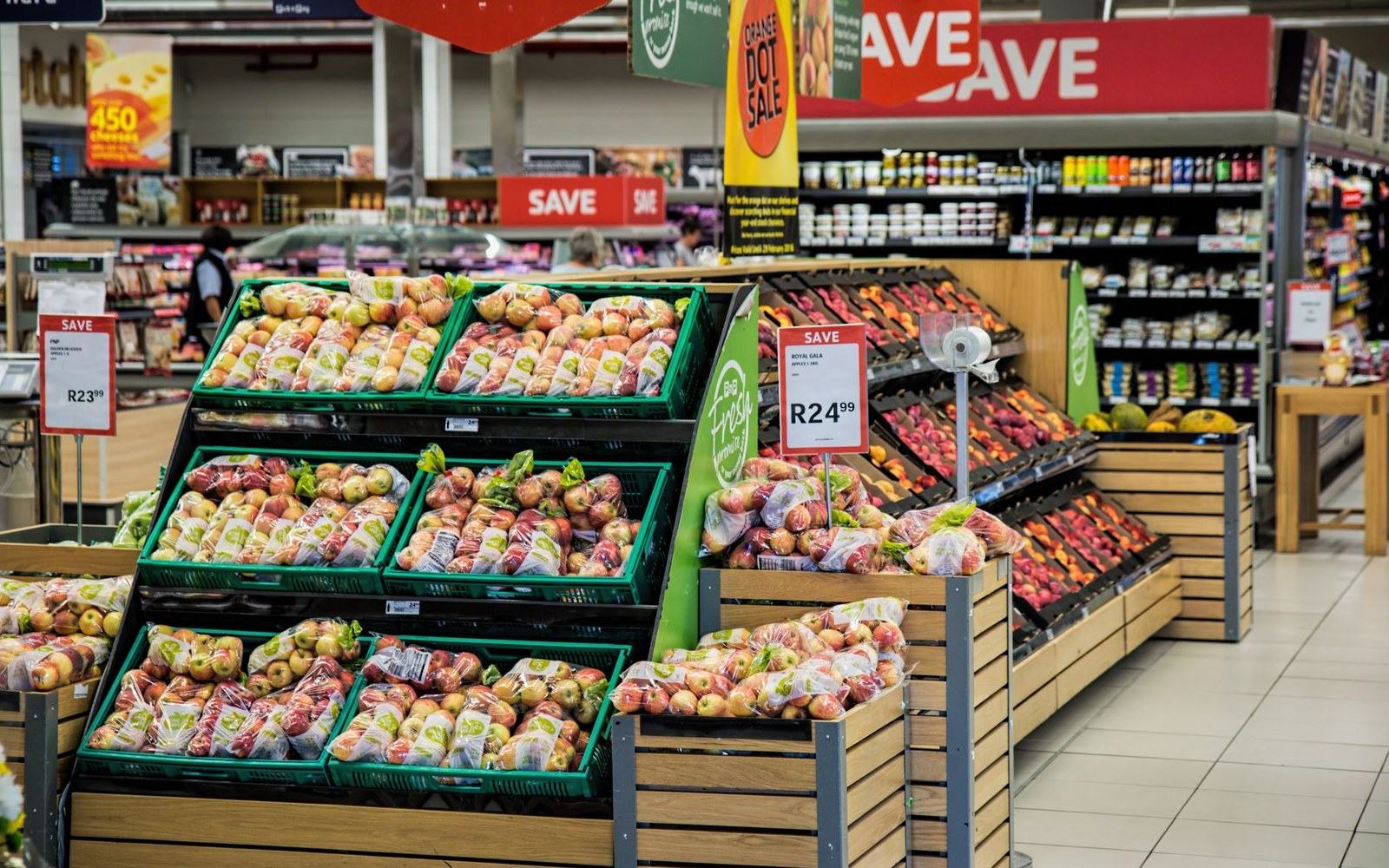
A bin needs no shelf plan, which is part of why it is used.
Fig. 3 · Photo: Pixabay / Pexels
The effectiveness of the format depends partly on what marketers call tactile engagement. Customers handle goods in a dump bin more than they do on a shelf — partly because retrieval requires it, partly because the low barrier to touch makes browsing feel exploratory rather than committed. Research in retail environments has consistently found that physical contact with a product increases the likelihood of purchase, an effect sometimes called the endowment effect in miniature: having held it, you feel a faint sense of ownership.
An item relocated from a tidy shelf into a dump bin acquires a bargain implication simply by being there.
Dump bins are disproportionately placed at the end of aisles and near checkouts — locations already engineered for impulse. The bin amplifies the impulse cue already embedded in those positions. It is also portable, which means it can be repositioned quickly in response to footfall data or stock levels, making it one of the most flexible fixtures on the floor.
The online equivalent is the "flash sale" widget: a visually rougher container — contrasting colour, informal typography, a countdown — dropped into an otherwise clean page. The same disorder principle applies. Tidiness signals regular; mess signals exceptional.
Knowing this does not neutralise it. The visual shortcut — mess equals value — is processed faster than conscious scrutiny can intervene. The dump bin has survived decades of retail evolution precisely because the cognitive shortcut it exploits is not one that knowledge alone can override.
This page describes a retail technique and where it came from. It contains no guidance about money, no products and no offers.
Next · 04 Interruption
The queue →