
Pre-selected is chosen far more often than it would be otherwise.
01The choice that was already made
When a checkout page loads with a box already ticked, most people leave it ticked. This is not laziness or indifference — it is a well-documented feature of how people make decisions under mild cognitive load, first described systematically in the behavioural economics literature of the 1980s and formalised in research by Eric Johnson and Daniel Goldstein on organ-donation registries. The finding transfers with uncomfortable precision to retail.
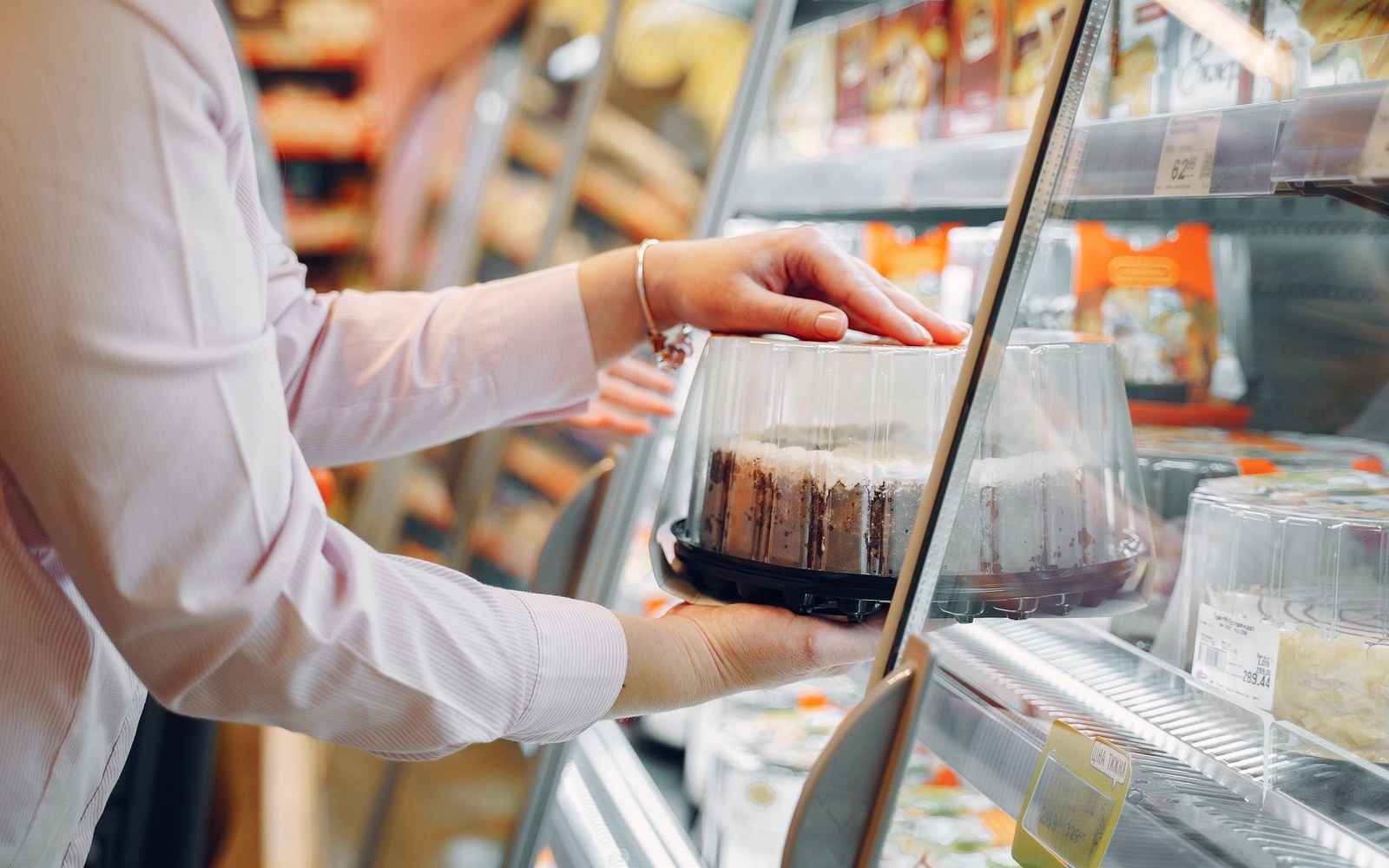
A pre-set state is the option that asks for no decision, which is why it is taken.
Fig. 2 · Photo: Gustavo Fring / Pexels
The mechanism is status quo bias: whatever is presented as the current state feels like the safe, neutral option. Changing it requires an active decision, and active decisions require effort. So the pre-selected travel insurance, the pre-ticked gift-wrapping, the subscription tier that is already highlighted — all benefit from inertia the shopper didn't know they were deploying.
Online retailers have refined this into an architecture. The most profitable option is rarely left blank. A subscription delivery plan sits pre-chosen above the single-purchase price, rendered in slightly bolder type, occasionally labelled "recommended" or "most popular" — a claim that may be true precisely because it is the default. The framing is circular, and it works.
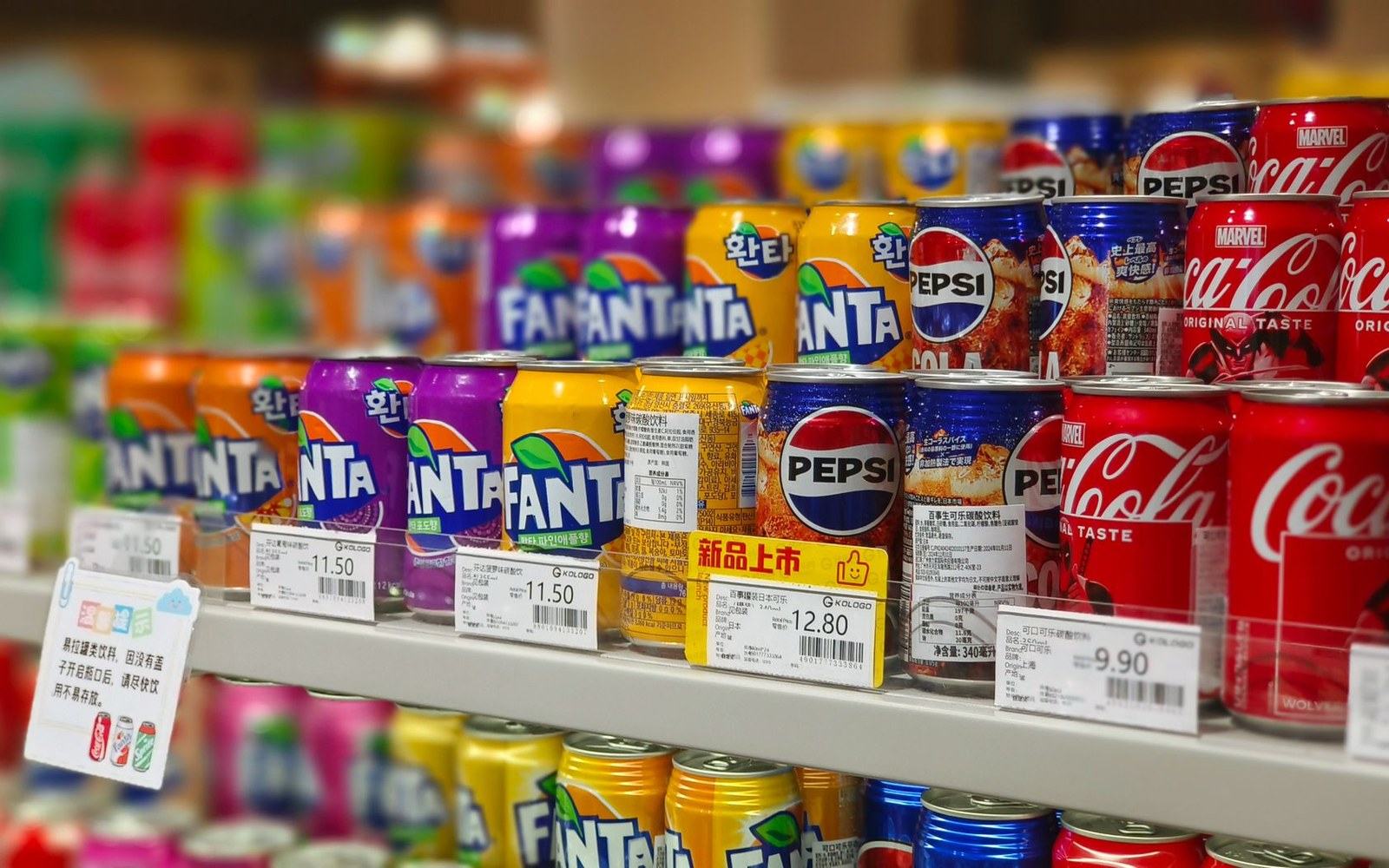
On a screen the persuasion sits in the interface before the shopper arrives.
Fig. 3 · Photo: 乾 黄 / Pexels
Regulators in the UK and EU have moved against the most explicit forms: pre-ticked boxes for paid add-ons are now broadly prohibited in consumer transactions across both jurisdictions. But the default remains legal as long as it costs nothing extra at the point of selection — and designers know it. A free-tier default that becomes paid after a trial period, a newsletter opt-in positioned as the neutral state, a donation amount pre-filled at the highest suggested figure: each exploits the same mechanism without crossing the current legal line.
The mechanism is status quo bias: whatever is presented as the current state feels like the safe, neutral option.
What makes defaults particularly effective online is the absence of a floor assistant to override them. In a physical shop, a persuasive technique usually requires a person to land it. On a screen, the persuasion is baked into the interface before the shopper arrives, and it operates on every visitor simultaneously without variation or fatigue. A screen has the advantage of infinite consistency — the default never forgets to tick the box.
This page describes a retail technique and where it came from. It contains no guidance about money, no products and no offers.
Next · 01 Threshold
The first four metres →