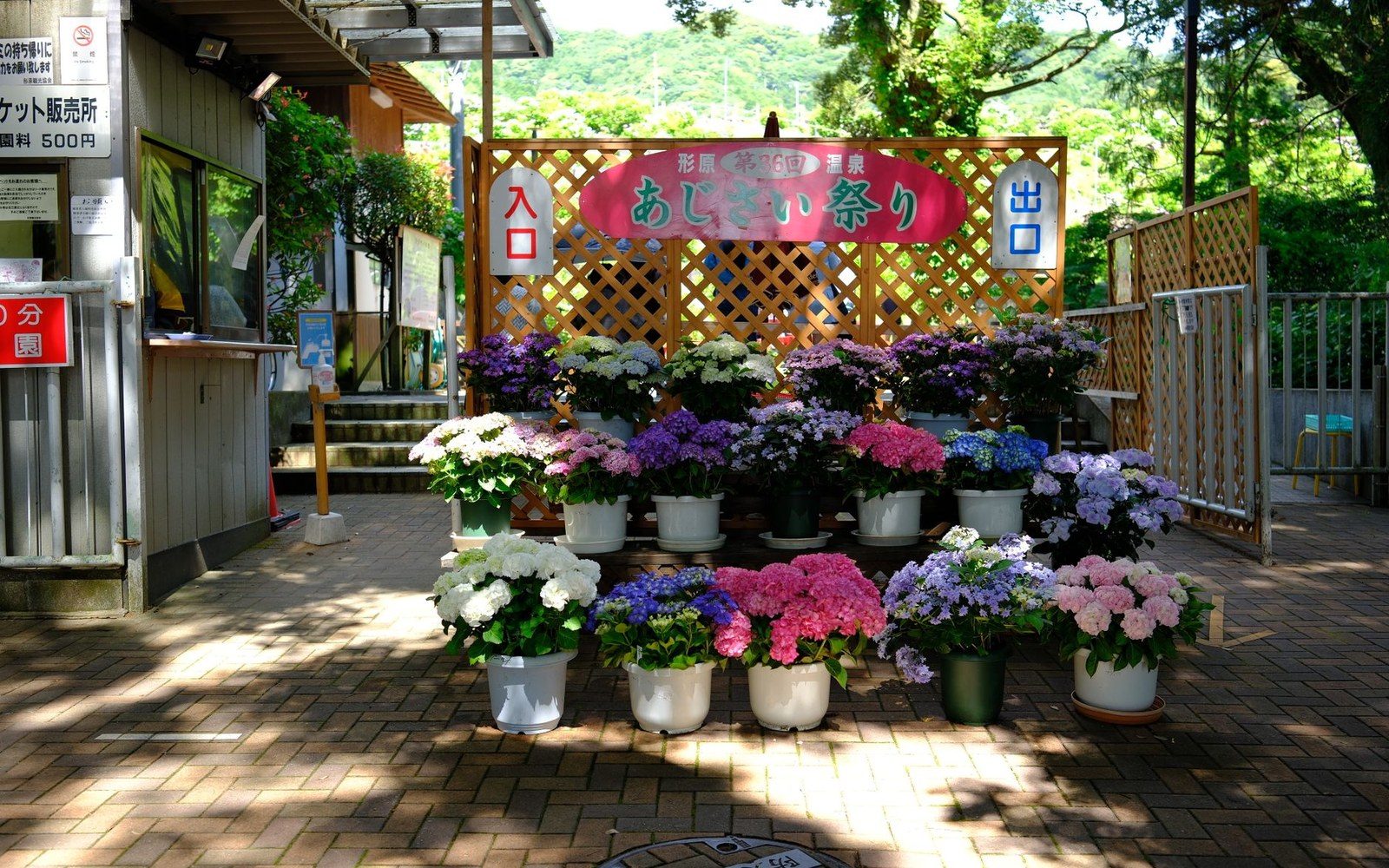
Flowers and produce at the entrance aren't there because they sell well from that spot — they're there because of what they make you feel before you've picked up a basket.
01The mood before the shopping
Walk into almost any full-service supermarket and the first things you meet are colour and scent: a stack of loose citrus, a flower display banked against a cool wall, bundles of herbs still showing soil. It feels like a market, which is precisely the point.
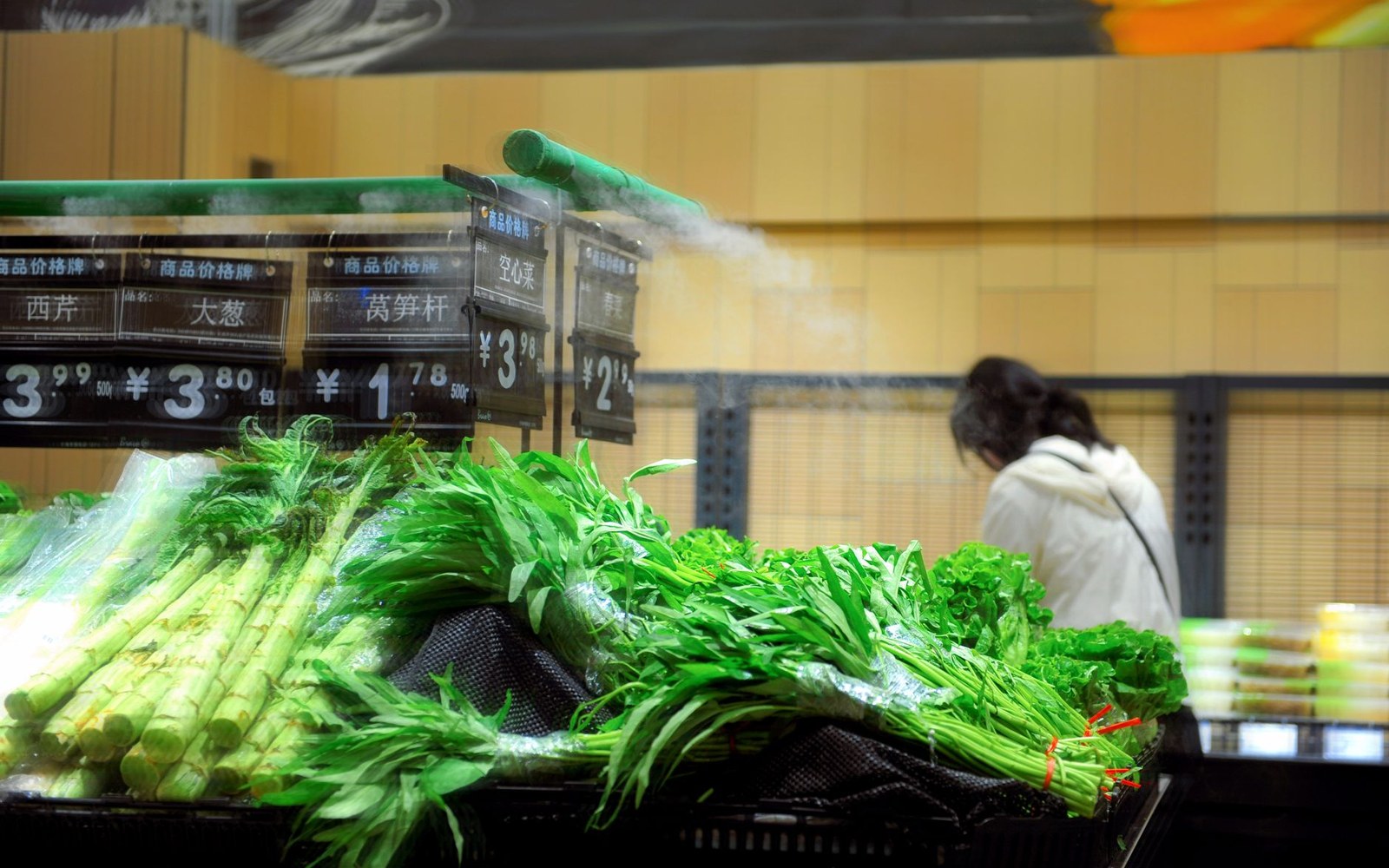
Fruit and flowers make a quality claim about the whole shop without stating one.
Fig. 2 · Photo: 阿凯 AARONK / Pexels
The placement is a deliberate signal about the store's character, not a merchandising accident. Fresh produce and cut flowers are among the hardest categories to profit from at entrance positions — footfall from the door is uneven, temperature management is complicated, and shoppers arriving in transit mode aren't yet in the mood to examine stonefruit for bruising. The placement serves a different function entirely.
In retail psychology, this opening section is part of what designers call the transition zone — the first four metres inside the door where a shopper is still decompressing from the street and not yet attending to the shop. Stimuli placed here are absorbed emotionally more than consciously. Flowers and fresh produce work in this space precisely because they carry already-loaded associations: abundance, freshness, the organic, the unprocessed. A pile of green apples and a bucket of sunflowers communicate that the store cares about quality before the shopper has looked at a single shelf. The overall impression formed in those first seconds is sticky — it colours the read of everything that follows.
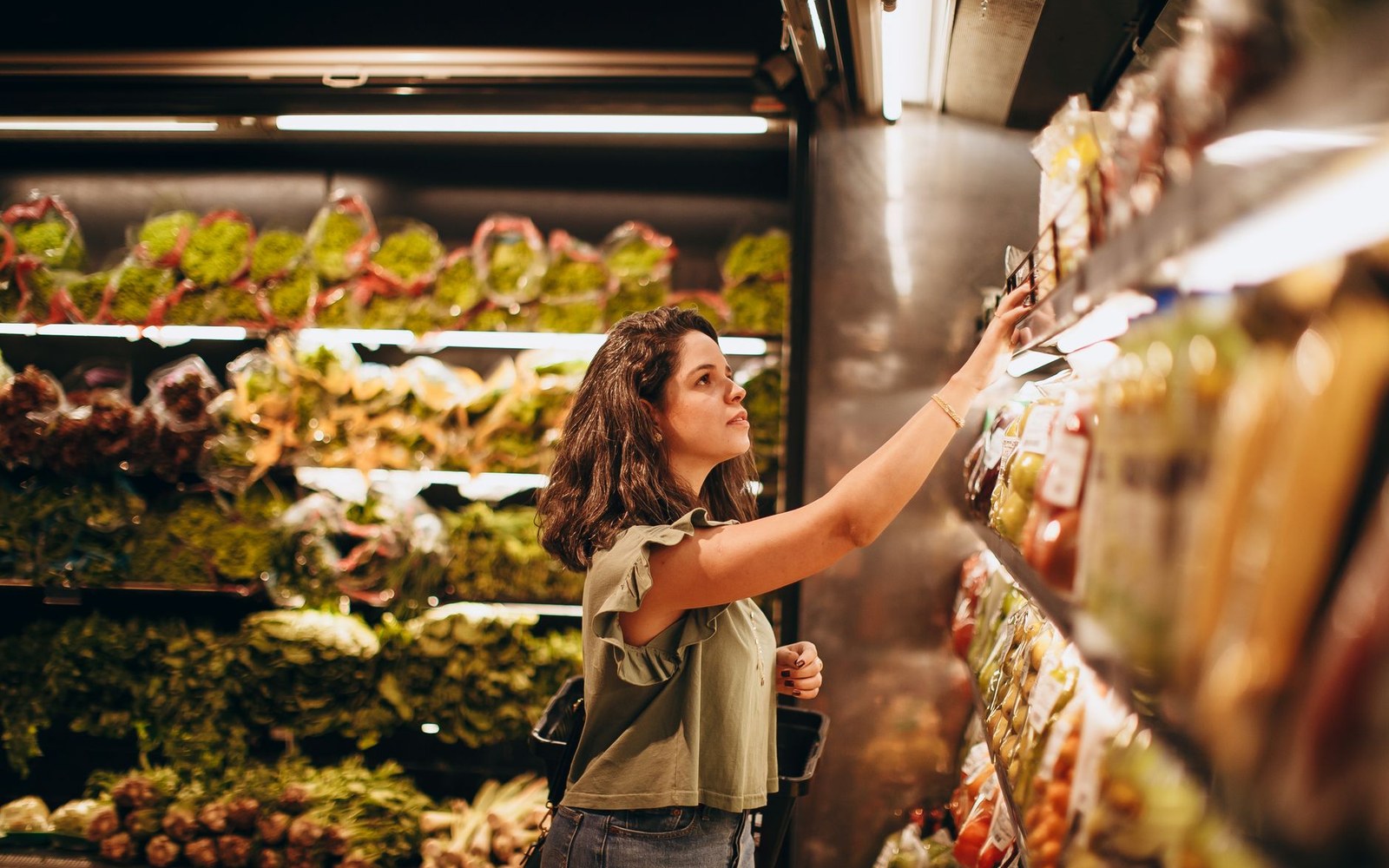
What follows the entrance display is packaged, ambient, and priced by shelf band.
Fig. 3 · Photo: Helena Lopes / Pexels
There is also a practical priming effect. Researchers in consumer behaviour have found that exposing shoppers to fresh, healthy items early in a trip makes them feel freer to indulge later in the trip, a phenomenon sometimes described as licensing through virtue — having already signalled good intentions to yourself, you feel freer to browse the rest of the store without guilt as a brake. A trolley that begins with a bunch of tulips and a bag of clementines arrives at the biscuit aisle in a more permissive state.
A pile of green apples and a bucket of sunflowers communicate that the store cares about quality before the shopper has looked at a single shelf.
The logic is compounded by the sensory dimension. Cut flowers produce real fragrance; citrus, bread from a nearby in-store bakery, roasted coffee — these aromas are managed, not incidental. Pleasant ambient scent has been shown in multiple retail studies to increase dwell time and, by extension, basket size.
None of this is hidden, exactly. The flowers are visible. The intention, though, is to be felt rather than seen: the entrance sets a mood, and the mood does the work.
This page describes a retail technique and where it came from. It contains no guidance about money, no products and no offers.
Next · 02 Route
Why the milk is at the back →