The discount is the price paid for the basket-level record — and the record is worth considerably more than the discount.
01The card is the product
Walk through the mechanics of a supermarket loyalty scheme and the headline looks straightforward: accumulate points, redeem a small discount, repeat. What the framing keeps quiet is that the discount is an acquisition cost, not a gift. The retailer is purchasing something from the shopper — a complete, timestamped record of every item in every basket, linked to a household, an address, and over time a pattern of life. The points are the price paid for that data stream. The data stream is what the business actually wanted.
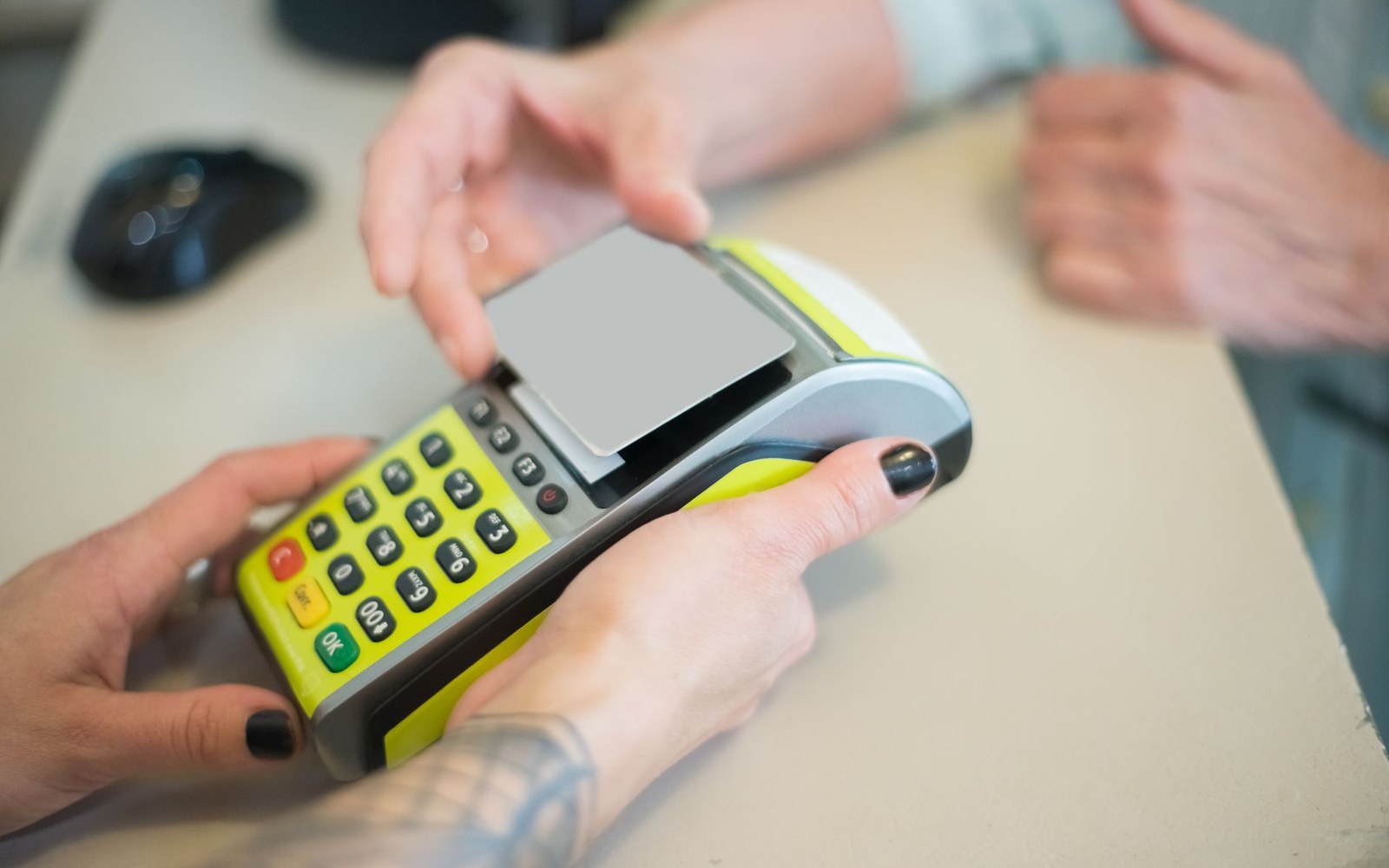
The card is presented at the moment a basket becomes a record.
Fig. 2 · Photo: Gustavo Fring / Pexels
The arithmetic makes this concrete. A typical scheme returns somewhere between half a percent and one percent of spend in points value. The transaction data those points unlock can be licensed to suppliers, used to shape shelf allocation, deployed to measure promotional effectiveness, and sold as a targeting layer to advertisers — capabilities worth orders of magnitude more per customer than the voucher they eventually print at the checkout. The discount is not the scheme; it is the entry fee.
02What the record contains
A loyalty dataset is not a list of receipts. It is a behavioural chronology. Basket-level data records what was bought, in what quantity, alongside what else, at what time, on what day, and in response to which promotions. Across thousands of visits it begins to model a household's life stage, dietary shifts, income pressure, and brand preferences with a granularity that a survey could never approach.
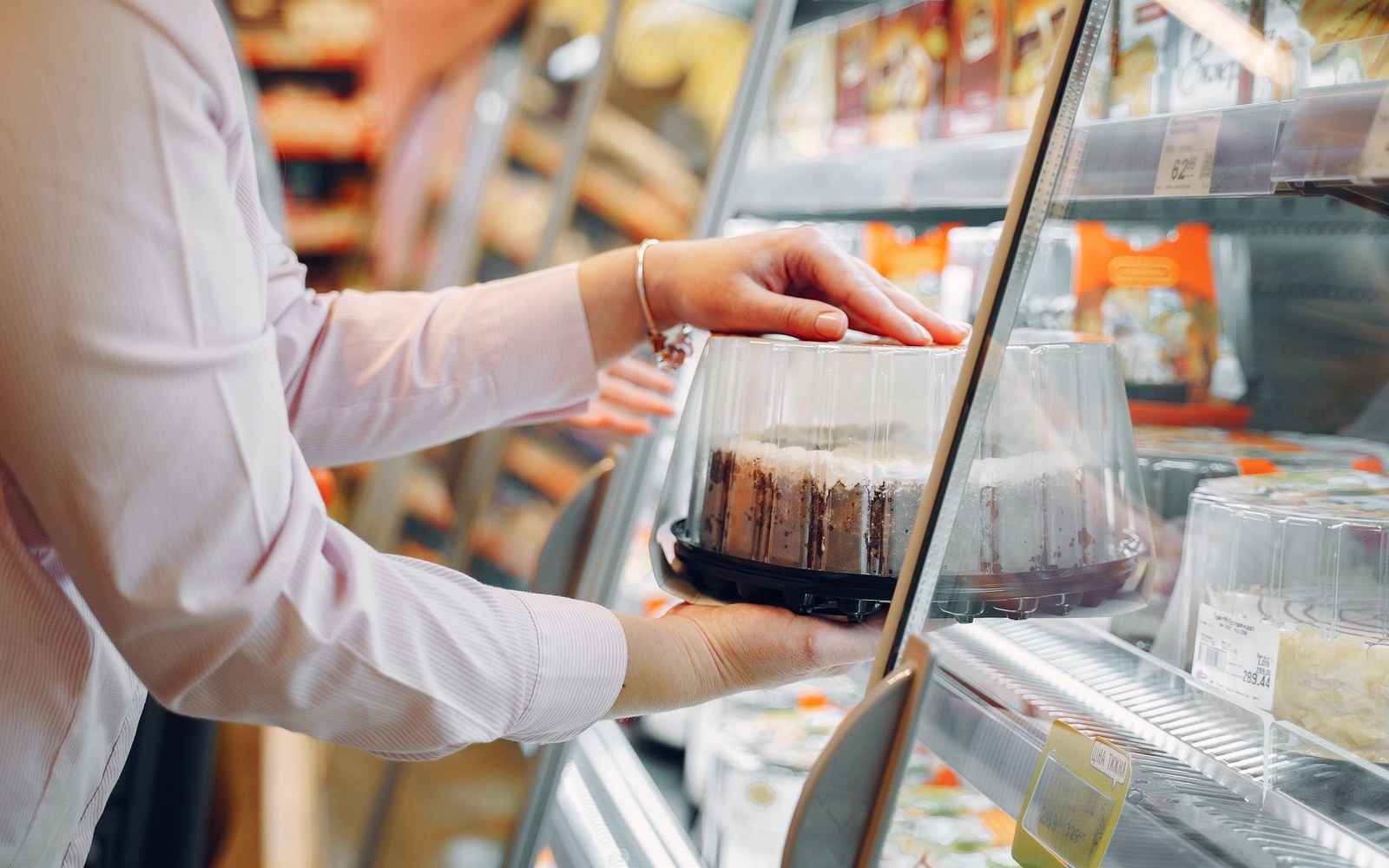
What is collected is the combination, not the single purchase.
Fig. 3 · Photo: Gustavo Fring / Pexels
The combination is the revealing part. A basket that includes economy nappies, own-brand formula, and the week's largest pack of ground coffee tells a different story from the same three items bought separately in smaller quantities. What a basket reveals to a trained analyst goes well beyond the sum of its items — frequency, substitution patterns, and the moment a shopper stops buying a category are all legible in the data, and all commercially valuable.
A typical scheme returns somewhere between half a percent and one percent of spend in points value.
Suppliers pay to access aggregated and anonymised versions of this record through retailer data platforms — a business line that major grocers now report as a significant revenue stream. The manufacturer of a breakfast cereal can measure exactly how many loyalty cardholders switched away from its product in the four weeks after a competitor promotion, broken down by region and household size. No other research methodology provides that.
03The personalised offer as a feedback loop
The scheme's outward-facing mechanism — the targeted offer sent by app, email, or printed voucher — closes the loop. The retailer uses the existing record to predict what the cardholder is likely to buy next, discounts it fractionally to make sure they buy it here rather than elsewhere, and in doing so generates another data point that sharpens the next prediction. The personalised offer is not a reward for loyalty; it is a tool for sustaining the data collection.
This is why the offers that arrive tend to match what a shopper already buys rather than expanding their repertoire. The goal is a confirmed purchase — a clean signal — not discovery. The occasional anomalous offer, for something the household has never bought, is usually a test: the retailer is probing a predicted adjacent preference to see if the model is right.
04Opting out without opting out
The obvious response — decline the card, pay full price — is available but increasingly frictional, because schemes have migrated from optional loyalty into the price architecture itself. When the non-card price is the penalty price rather than the standard price, declining the scheme means paying a premium rather than forgoing a bonus. The two framings feel different and are designed to. The first asks nothing; the second levies a visible cost on the cardholder's absence.
This shift also changes what the data represents. A scheme that most shoppers use collects a near-complete picture of demand — not a self-selected sample of the most engaged customers but a structural census of the store's traffic. That comprehensiveness is what makes the dataset genuinely useful to suppliers, advertisers, and the retailer's own buying and ranging teams. The card is no longer an optional extra layered onto the shopping trip. For the store, it is the shopping trip — the mechanism by which the transaction becomes something a business can learn from, repeatedly, across years, without the shopper needing to notice that the lesson is being taken.
This page describes a retail technique and where it came from. It contains no guidance about money, no products and no offers.
Next · 05 Record
What a basket reveals →