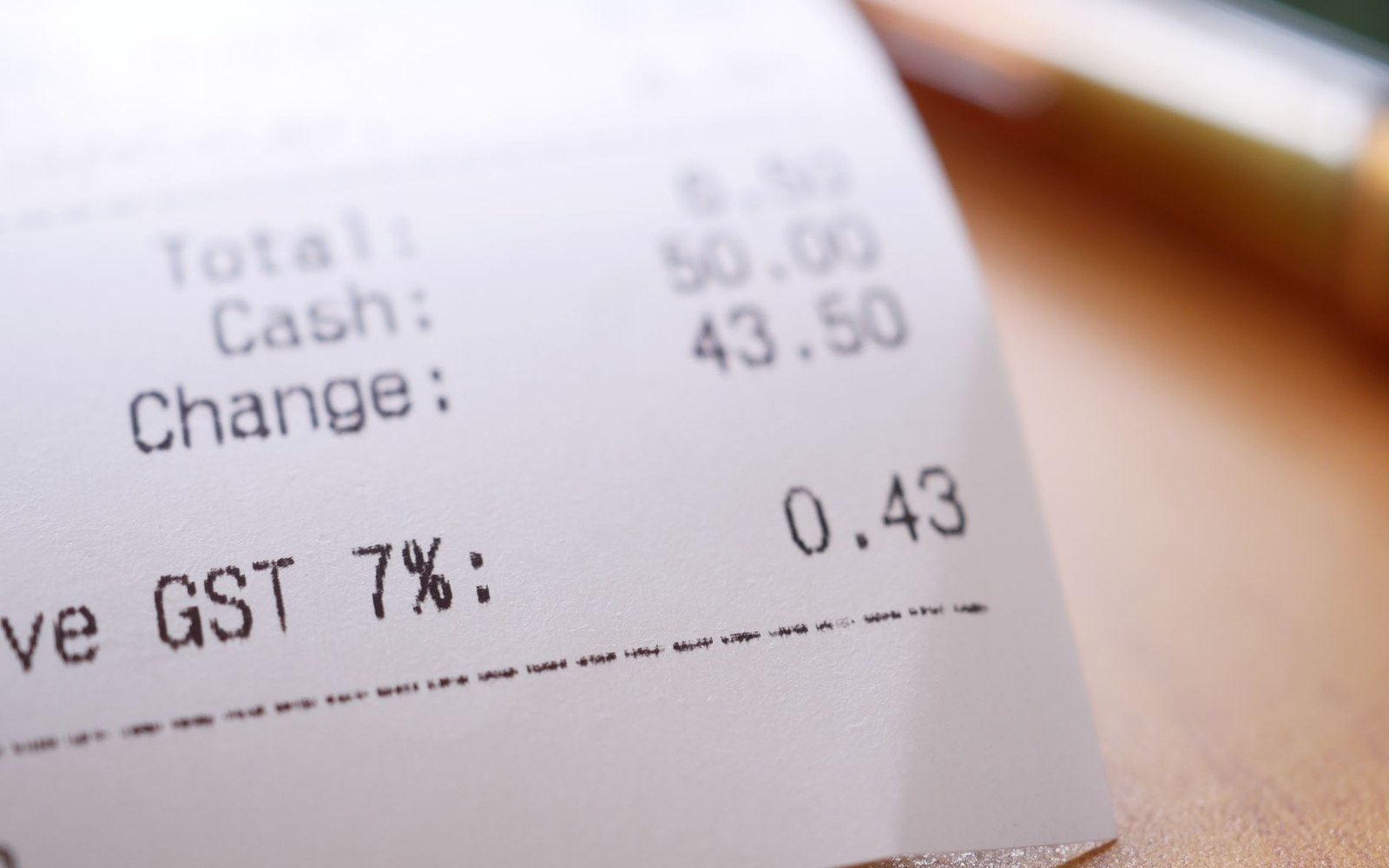
Targeted at what you already buy, which is why it feels generous.
01The machinery of familiarity
When a discount arrives with your name on it — a voucher for the exact cereal you buy every fortnight, a points boost on the wine you reliably pick up on Friday — it does not feel like marketing. It feels like being known. That sensation is the product. The offer is the delivery mechanism.

An offer aimed at what is already bought costs least and reads as most generous.
Fig. 2 · Photo: Gustavo Fring / Pexels
Loyalty programmes have been accumulating purchase histories for decades, and the analytical infrastructure around that data has grown considerably more precise. Retailers and their data partners can now model not just what a shopper buys but when the next purchase is likely, how price-sensitive they are for a given category, and whether a discount is necessary to retain them at all. The personalised offer is what happens when those models are applied to a specific customer record.
The technique exploits a well-documented asymmetry: people read a targeted offer as evidence of generosity rather than as evidence of surveillance. A 20 percent discount on something you were already going to buy feels like a reward. It is actually a margin decision — the retailer has calculated that the discount is worth paying to prevent a switch to a competitor, or to accelerate a purchase that might otherwise wait. Where no competitive threat exists and the shopper is reliably loyal, the offer may not appear at all. The discount flows to the customer most likely to defect, not to the most loyal one.
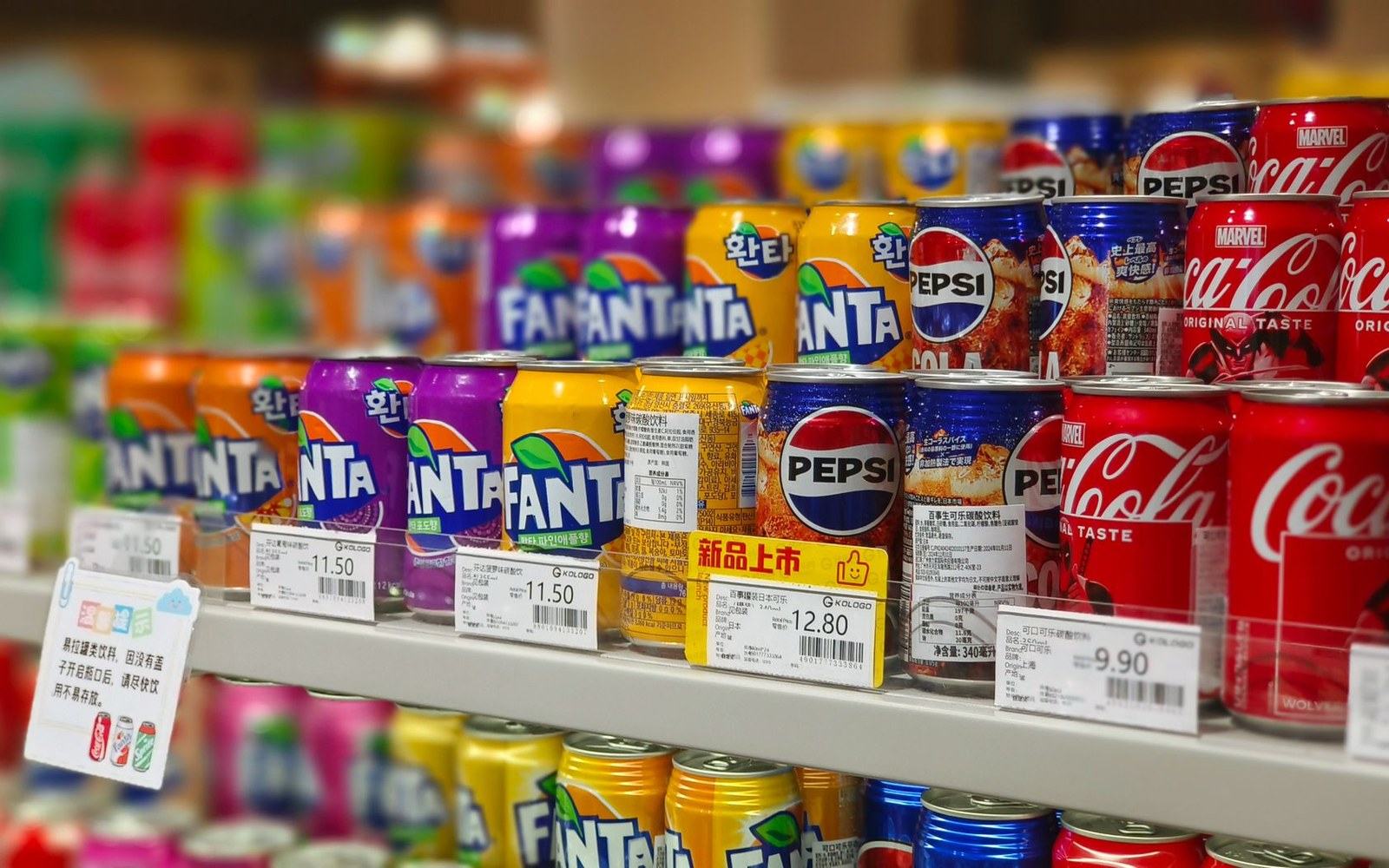
Printed at the till, the coupon arrives after the record has been made.
Fig. 3 · Photo: 乾 黄 / Pexels
There is a second function that rarely gets named plainly: the personalised offer brings you back into the programme's data stream. A dormant loyalty card tells the retailer nothing useful. An activated shopper — someone who scans their card because a targeted voucher reminded them to — refreshes the record, updates the model, and generates the basket-level detail that makes the next offer more precise. The discount pays for itself in data long before it pays for itself in margin.
The technique exploits a well-documented asymmetry: people read a targeted offer as evidence of generosity rather than as evidence of surveillance.
The emotional logic is worth holding clearly: relevance is mistaken for generosity because a relevant offer required effort to produce. It did require effort, but that effort was algorithmic, not personal. The offer knows what you buy because loyalty is a data programme and your purchase history has been kept in detail and sold back to you in the form of what looks like consideration. The name at the top of the email is a field in a database. The category match is a model output. Neither of those facts makes the discount smaller, but they do clarify what is actually being exchanged — your basket data, continuously, for occasional reductions on things you intended to buy regardless.
This page describes a retail technique and where it came from. It contains no guidance about money, no products and no offers.
Next · 06 Screen
The same floor, on a screen →