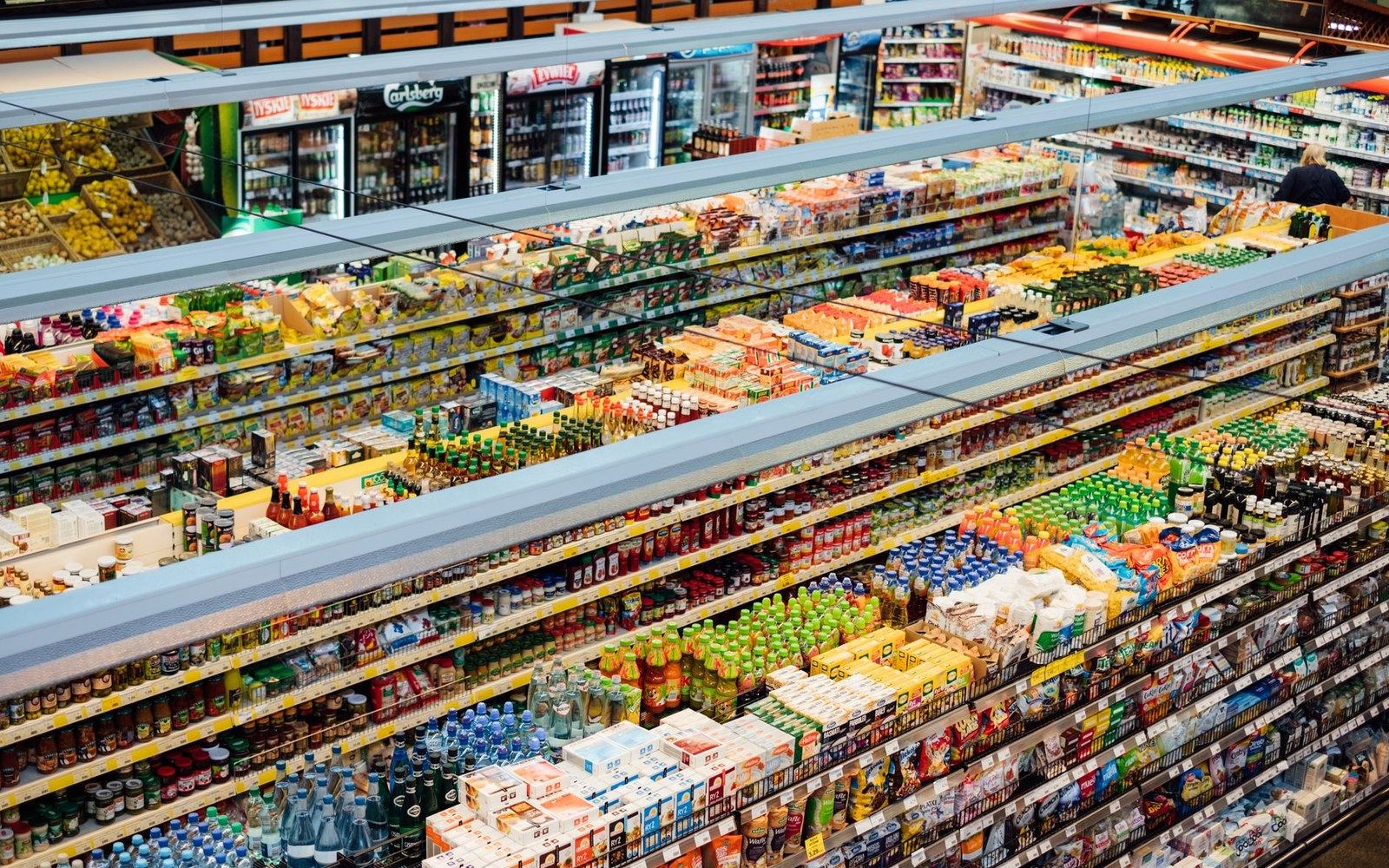
01The geometry of the floor decides where you go
Store layout comes in two broad flavours: racetrack and grid. The racetrack — sometimes called the loop or the perimeter route — is a continuous path, usually wide and well-lit, that takes you around the edge of the floor before depositing you near the exit. The grid is a series of parallel aisles, common in pharmacies and hardware stores, that lets you cut straight to a section and leave. Each solves a different problem, and each creates a different one.
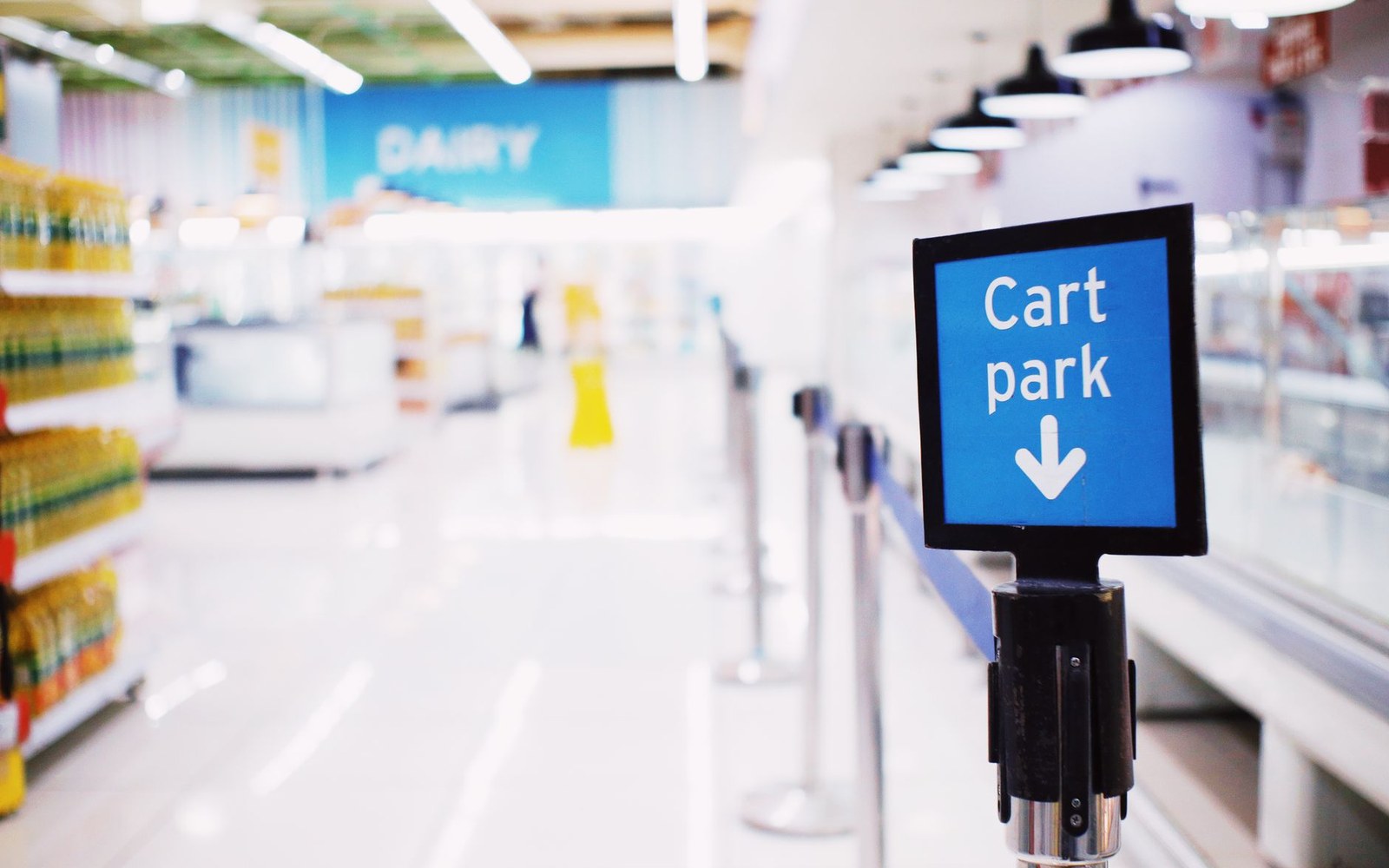
A forced path buys exposure and spends goodwill; a free one does the reverse.
Fig. 2 · Photo: Nothing Ahead / Pexels
The racetrack exists because movement is exposure. Every metre a shopper travels past shelving is a metre of potential unplanned purchase, which is why fresh produce near the entrance opens a loop rather than a corridor. Grocers adopted the format at scale through the mid-twentieth century as floor sizes grew and it became clear that a guided route produced higher average basket values than a free one. The guidance is never announced; it is built into ceiling heights, aisle widths, and the placement of the categories you actually need.
The grid, meanwhile, suits shoppers who know what they want. It is transparent, efficient, and precisely because of that efficiency, it tends to limit dwell time. The customer who knows where the bandages are, finds them, and leaves has done nothing wrong; she has simply declined to be a tourist. This is why pure grid layouts are rarer in large grocery retail than their simplicity might suggest.
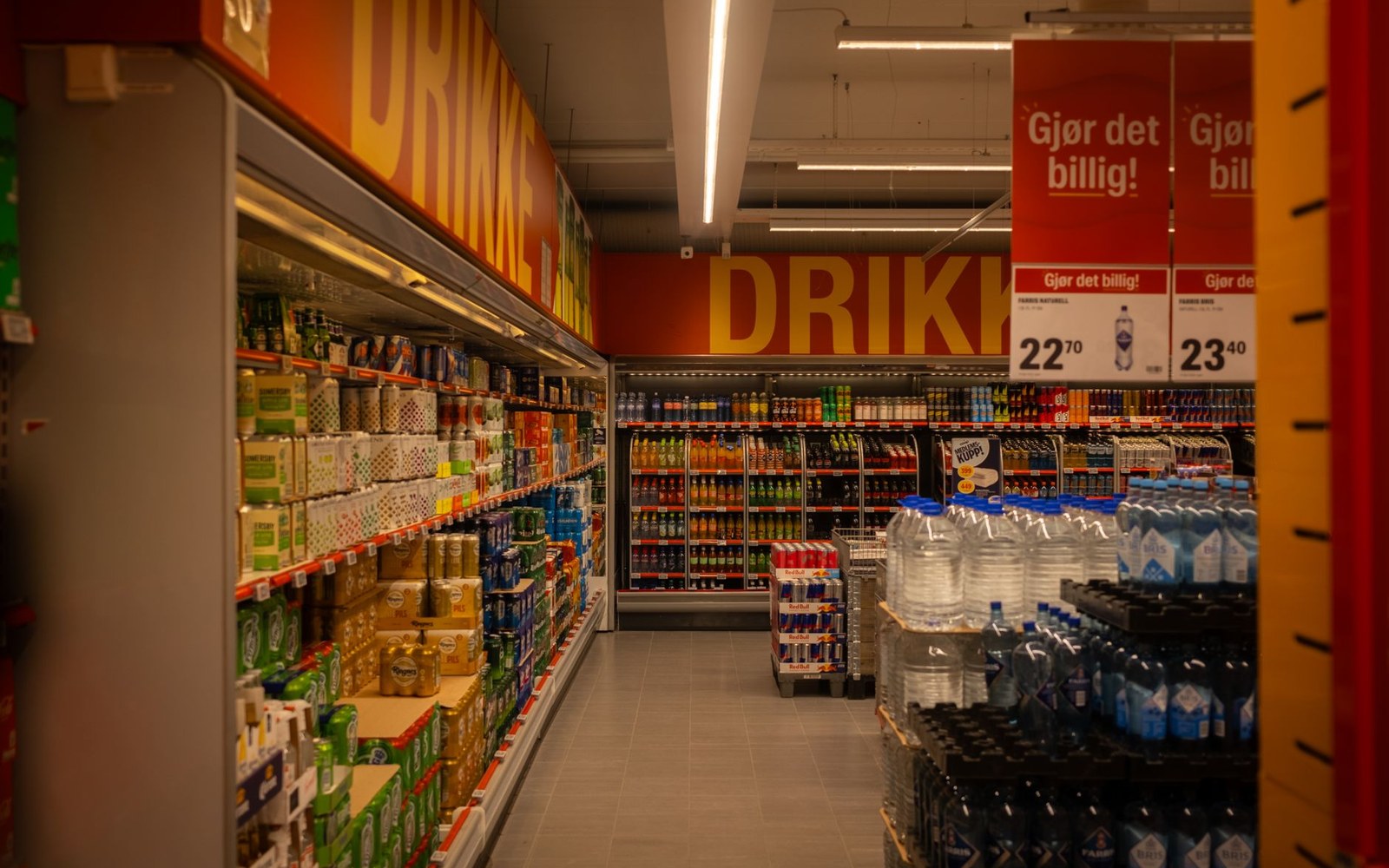
Where a route dead-ends, the fixture at the end has to earn the detour.
Fig. 3 · Photo: Fabnel LDN / Pexels
The hybrid is where most large supermarkets land — a perimeter loop containing an interior grid — and the resulting compromise produces the most common friction point on any floor: the dead end. Dead ends are not accidents. An aisle that does not connect through to the next forces a reversal, which means the shopper passes the same shelving twice. That second pass is the point. Seen from the retailer's side, a reversible aisle is a second set of impressions for the price of one. Seen from the shopper's side, it is the moment irritation begins to accumulate.
The guidance is never announced; it is built into ceiling heights, aisle widths, and the placement of the categories you actually need.
That irritation is not trivial, and its management matters to stores. Research in retail environment psychology, much of it drawing on Mehrabian and Russell's approach-avoidance framework from the 1970s, consistently shows that perceived crowding and blocked movement increase arousal in ways that shorten visits and suppress spending. A dead end that makes someone feel trapped is a miscalibration — too much friction, not enough flow. The aisle nobody enters is often the one that combines a dead end with poor sight lines, creating a space that feels like neither a destination nor a route.
The racetrack solves this by eliminating reversal at scale. Its cost is autonomy. You are not lost; you are being taken somewhere, on a schedule that was drawn up before you arrived.
This page describes a retail technique and where it came from. It contains no guidance about money, no products and no offers.
Next · 02 Route
The aisle nobody enters →